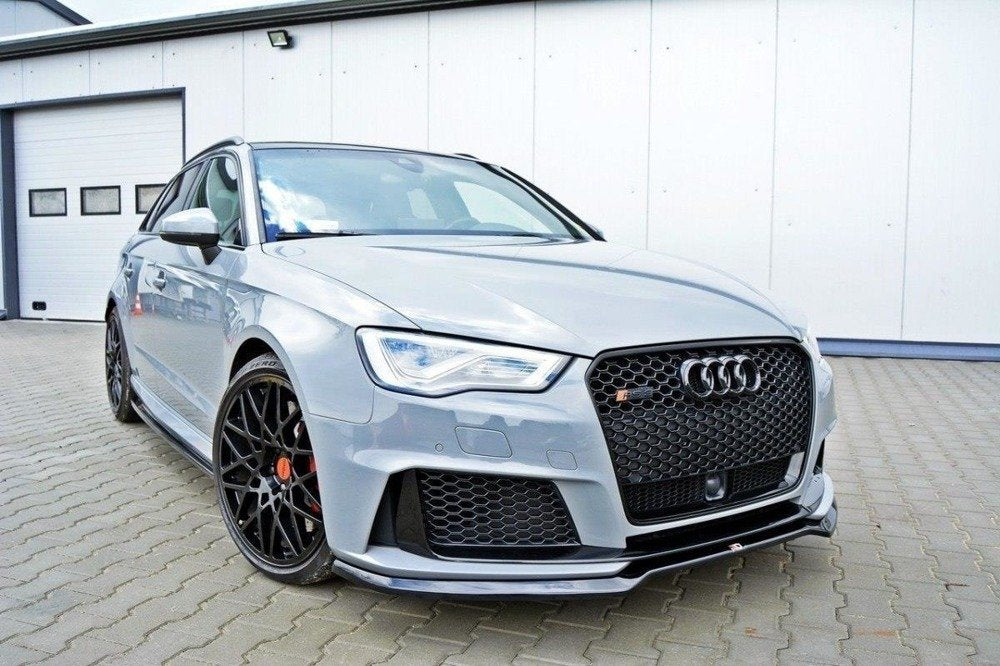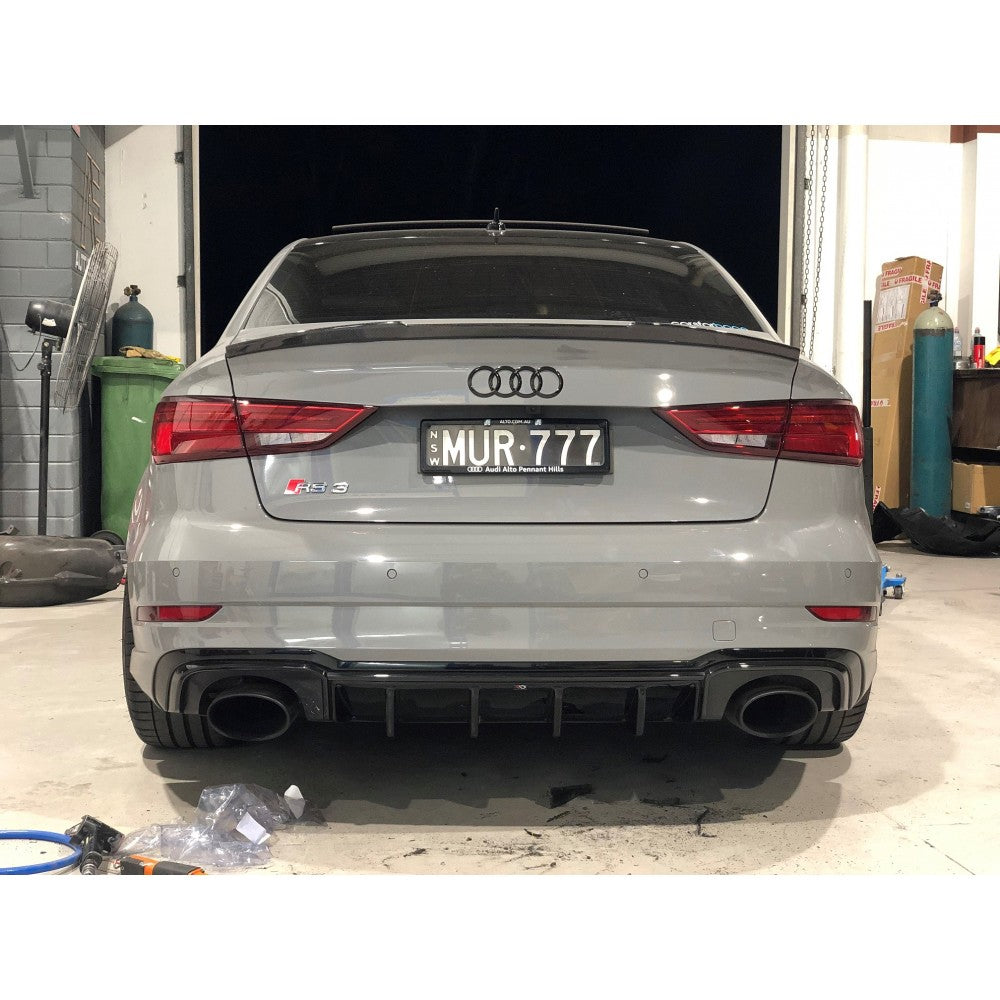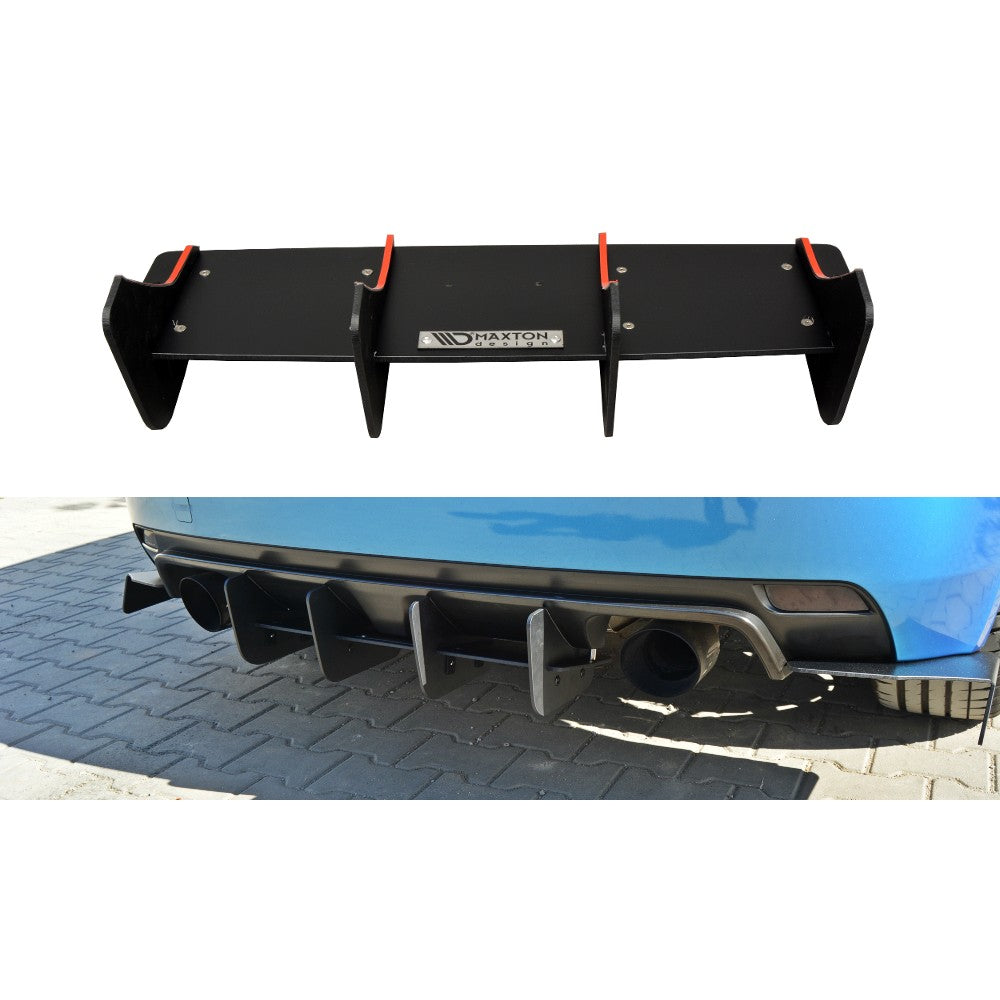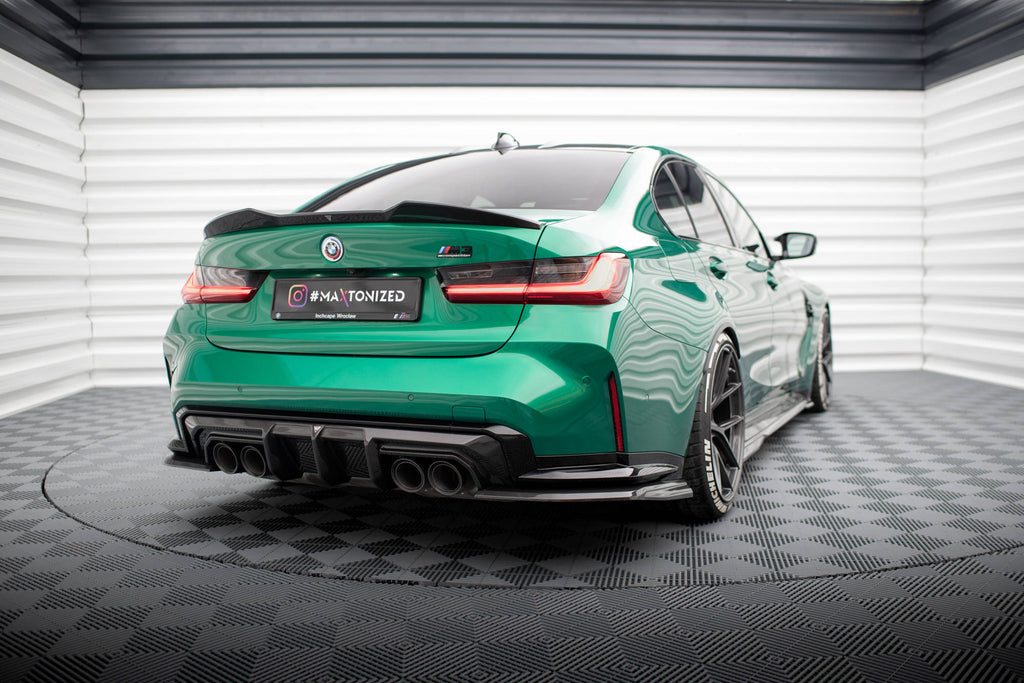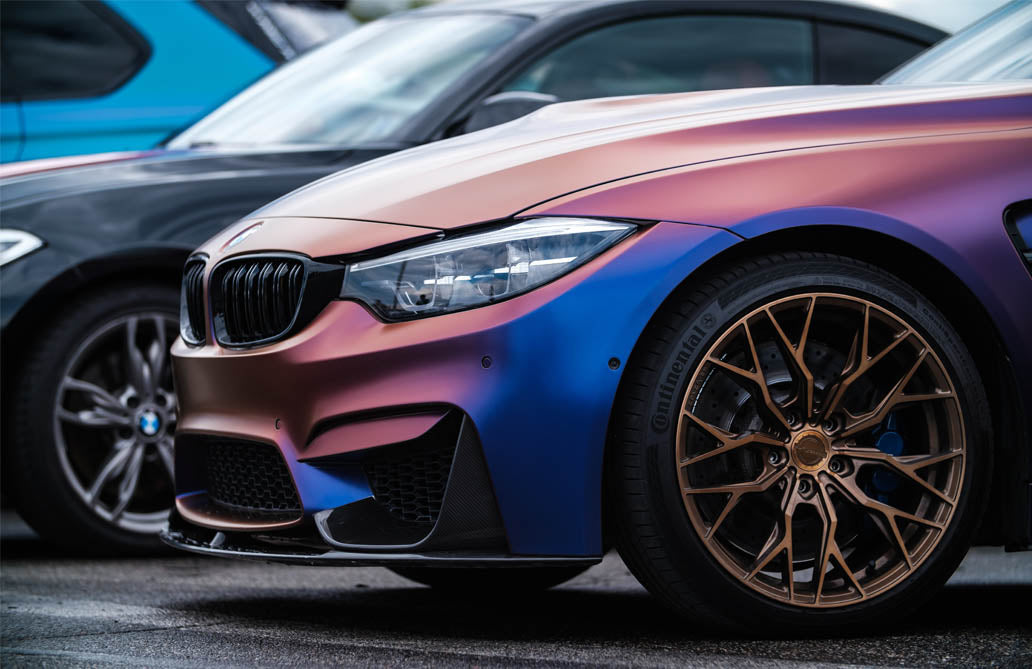
So you've decided it's time to transform your stock ride into something with a bit more personality and presence on the road. Smart move. A well-chosen body kit can completely reinvent your car's aesthetic and even improve its performance. But hold up — before you whip out your credit card, let's talk about the common pitfalls that can turn your dream build into a costly nightmare.
As fellow car enthusiasts who've seen it all in the Australian aftermarket scene, we know exactly where things tend to go wrong. And trust us, we've watched plenty of mates make these blunders firsthand.
Key Takeaways
- Prioritise quality materials: Cheap kits might save you money upfront but will cost you more in the long run with fitment issues, durability problems, and potential paint matching headaches.
- Measure twice, buy once: Always double-check compatibility with your exact car model, year, and trim level before purchasing a body kit.
- Consider your driving conditions: Australian road conditions, speed bumps, and driveways can be murder on low-clearance kits.
- Plan for professional installation costs: DIY installations often lead to expensive fixes; budget for proper fitting by professionals.
- Balance aesthetics with function: The best body kits enhance both your car's appearance and its aerodynamic performance.

Mistake #1: Choosing Price Over Quality
We get it. That fibreglass body kit costs half of what the polyurethane version does, and they look pretty similar in the photos. Why not save some cash? Here's why that's often a regrettable decision.
Poor quality materials in body kits lead to several issues that will have you kicking yourself later:
- Cracking and warping – Cheaper fibreglass and plastic composites can crack after minor impacts or warp in Australian summer heat.
- Fitment nightmares – Budget kits often require excessive modification to fit properly, increasing labour costs and frustration.
- Paint matching problems – Low-quality materials can react differently to paint compared to your factory panels, creating an obvious mismatch.
A mate of mine learned this the hard way with his WRX. He went for an ultra-cheap front lip that looked the part online. Three months later, after one too many encounters with a steep driveway, the lip had cracked in three places and was hanging on by a thread. The $200 he saved initially? Completely wiped out by having to buy a replacement.
What to do instead:
Focus on body kits made from high-quality materials like polyurethane, ABS plastic, or carbon fibre if your budget allows. These materials offer better durability, flexibility, and a more OEM-like finish. They might cost more upfront, but you'll save yourself the headache and expense of premature replacements.
Mistake #2: Not Checking Compatibility
"It's for a Toyota 86, so it'll fit my 86, right?" Not necessarily. This is where so many enthusiasts stumble.
Car manufacturers often make subtle changes between model years and trim levels that can affect how aftermarket parts fit. What works perfectly on a 2017 model might not line up on a 2019, even though they look identical to the untrained eye.
Common compatibility issues include:
- Model year discrepancies – Even minor facelifts can change mounting points and body lines.
- Regional variations – Australian-delivered cars sometimes have different specs than their Japanese or American counterparts.
- Trim level differences – That body kit designed for the base model might not work with your top-spec variant's side skirts or fog light housings.
What to do instead:
Always verify that the body kit is compatible with your specific car's year, model, trim level, and regional specification.
Contact the manufacturer or retailer directly if you're unsure. Take measurements of crucial areas if possible, and search forums for others who have installed the same kit on your exact model.

Mistake #3: Ignoring Practical Considerations
That aggressive front splitter and those ground-hugging side skirts might look spectacular on Instagram, but how will they fare on real Australian roads?
Many car enthusiasts get so caught up in the look they're after that they forget to consider the practical aspects of living with a body kit day to day.
Think about:
- Ground clearance – Those steep driveways at Woolies and speed bumps in car parks become your sworn enemies with ultra-low body kits.
- Entry angles – Will you need to approach driveways at a 45-degree angle just to avoid scraping?
- Local road conditions – Australian country roads, unsealed surfaces, and even city streets can be rougher than you think.
- Weather considerations – How will the kit handle our unique climate, from tropical downpours up north to the dry heat down south?
I've seen mates who've had to map out special routes to avoid certain roads because their car is too low to navigate them without damage. That's not a hassle you want.
What to do instead:
Be realistic about where and how you drive your car. If it's your daily driver, consider more practical options like lips and side skirt extensions rather than full ground-effects packages. Look for adjustable splitters or those with quick-release mechanisms for tricky situations.
Mistake #4: Underestimating Installation Costs
"I'll just fit it myself in the shed this weekend." Famous last words that have preceded many a body kit disaster.
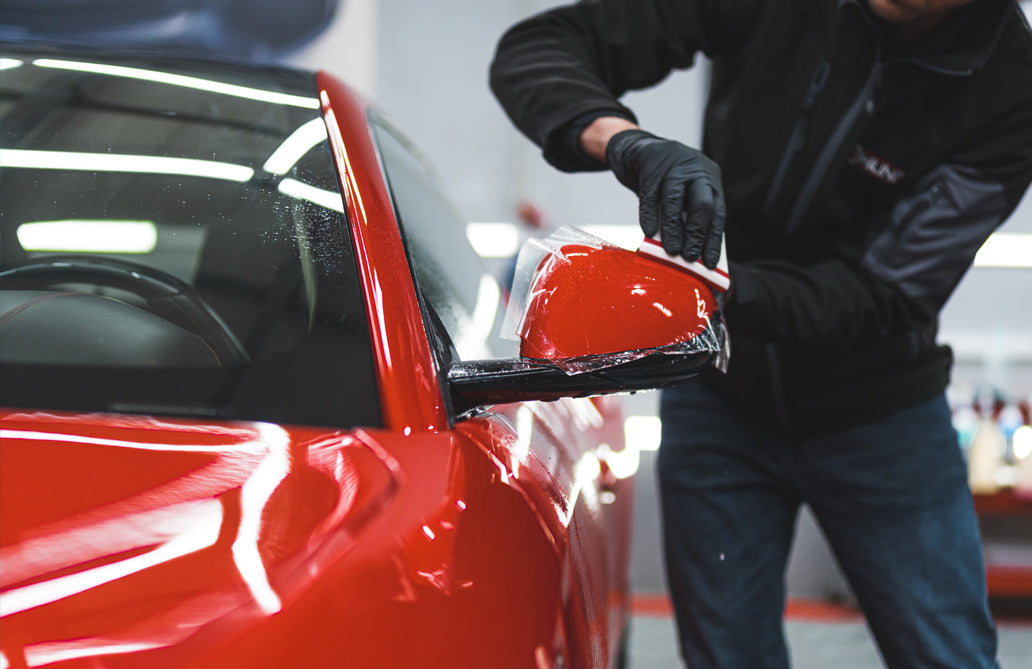
Unless you've got genuine experience with body kit installation, proper tools, and plenty of patience, DIY fitting often ends in tears. Professional installation isn't just an unnecessary luxury — it's often essential for getting the right fit, finish, and longevity from your body kit.
The hidden costs of improper installation include:
- Alignment issues – Panels that don't quite line up create unsightly gaps and can affect functionality.
- Water and dirt ingress – Poorly sealed sections can allow moisture in, leading to rust and electrical problems.
- Paint damage – Amateur installation often results in scratches and chips that need repairing.
- Structural integrity problems – Incorrectly mounted components can work loose over time, causing damage or even becoming road hazards.
What to do instead:
Budget for professional installation from the start. Get quotes from reputable shops that specialise in body kit fitting before you even purchase the kit. The cost varies widely depending on the complexity of the kit and the amount of prep and paint work required, but generally, you should budget for at least 15-25 hours of labour for a full kit.

Mistake #5: Prioritising Looks Over Function
A body kit should do more than just make your car look mean — it should serve a purpose. Many enthusiasts get so fixated on the aesthetic that they forget to consider how their modifications affect their car's performance.
While some body kits are purely cosmetic, the best ones offer a balance of style and function. Properly designed aerodynamic elements can improve stability at speed, reduce lift, and even enhance cooling.
Signs you're choosing style over substance:
- Excessive weight addition – Some body kits add significant weight, negating any performance gains and potentially affecting handling.
- Counterproductive aero – Poorly designed "aerodynamic" elements can actually create drag or disrupt airflow in harmful ways.
- Heat management issues – Body kits that restrict airflow to radiators, intercoolers, or brakes can cause overheating problems.
- Breaking factory aero balance – Adding downforce to only one end of the car can create unpredictable handling characteristics.
What to do instead:
Research the aerodynamic principles behind body kit designs. Look for components that have been tested for actual performance benefits, not just aesthetic appeal. Consider brands that develop their products with input from motorsport or wind tunnel testing. For many enthusiasts, a balanced approach works best — select parts that offer both the look you want and functional benefits, like front lips that reduce lift while enhancing your car's stance.
Making the Right Choice for Your Ride
Avoiding these common mistakes will put you well ahead of the game when it comes to selecting and installing a body kit that you'll be happy with for years to come.
Remember that modifying your car is a personal journey. What works for the show car you see at Summernats might not be right for your daily driver tackling the streets of Sydney or Melbourne.
Take your time researching options, consult with experienced enthusiasts, and don't rush the process. A well-chosen body kit should enhance your car's character, not compromise its usability or your enjoyment of it.
Whether you're after a subtle lip kit car upgrade or planning a full body kit transformation, keeping these practical considerations in mind will help ensure your project turns out just as you envisioned — or even better.
And hey, if you're still not sure which direction to take, drop by our shop. We're always happy to chat about your build plans and help you find the perfect body kit for your specific needs and driving style. Because at AusBody Works, we're not just selling parts — we're helping fellow enthusiasts build the cars of their dreams.